


How Proper Hydration Impacts Energy, Performance, and Overall Wellness
Water is often overlooked when discussing health and wellness, yet it remains one of the most essential components required for the human body to function efficiently. Every organ, tissue, and cell relies on adequate hydration to perform its responsibilities, making water a fundamental factor in maintaining physical performance, mental clarity, temperature regulation, and overall well-being. Despite its importance, many individuals fail to consume sufficient fluids throughout the day, leading to mild dehydration that can negatively affect concentration, productivity, mood, and daily energy levels without immediately noticeable symptoms.
Unlike popular wellness trends that focus on specific foods or supplements, hydration is a foundational requirement that influences nearly every biological process. From transporting nutrients and oxygen to supporting digestion and circulation, water serves as a critical medium that allows the body to operate effectively. Understanding the role of hydration can help individuals make better lifestyle decisions and recognize the significant impact that proper fluid intake has on both short-term performance and long-term health outcomes.
Why Water Is Essential for Human Function
The human body is composed largely of water, making hydration a necessity rather than a choice. Water helps regulate body temperature, lubricate joints, support digestion, transport nutrients, and remove waste products through natural processes. When fluid levels decline, these functions become less efficient, forcing the body to work harder to maintain balance and increasing the likelihood of fatigue, headaches, dizziness, and reduced physical capacity.
Maintaining proper hydration allows biological systems to operate smoothly throughout the day. Adequate water intake supports healthy blood circulation, assists cellular communication, and contributes to the efficient delivery of oxygen and nutrients to tissues that depend on a consistent supply for optimal function. Even small decreases in hydration status can influence physical and cognitive performance, highlighting the importance of regular fluid consumption.
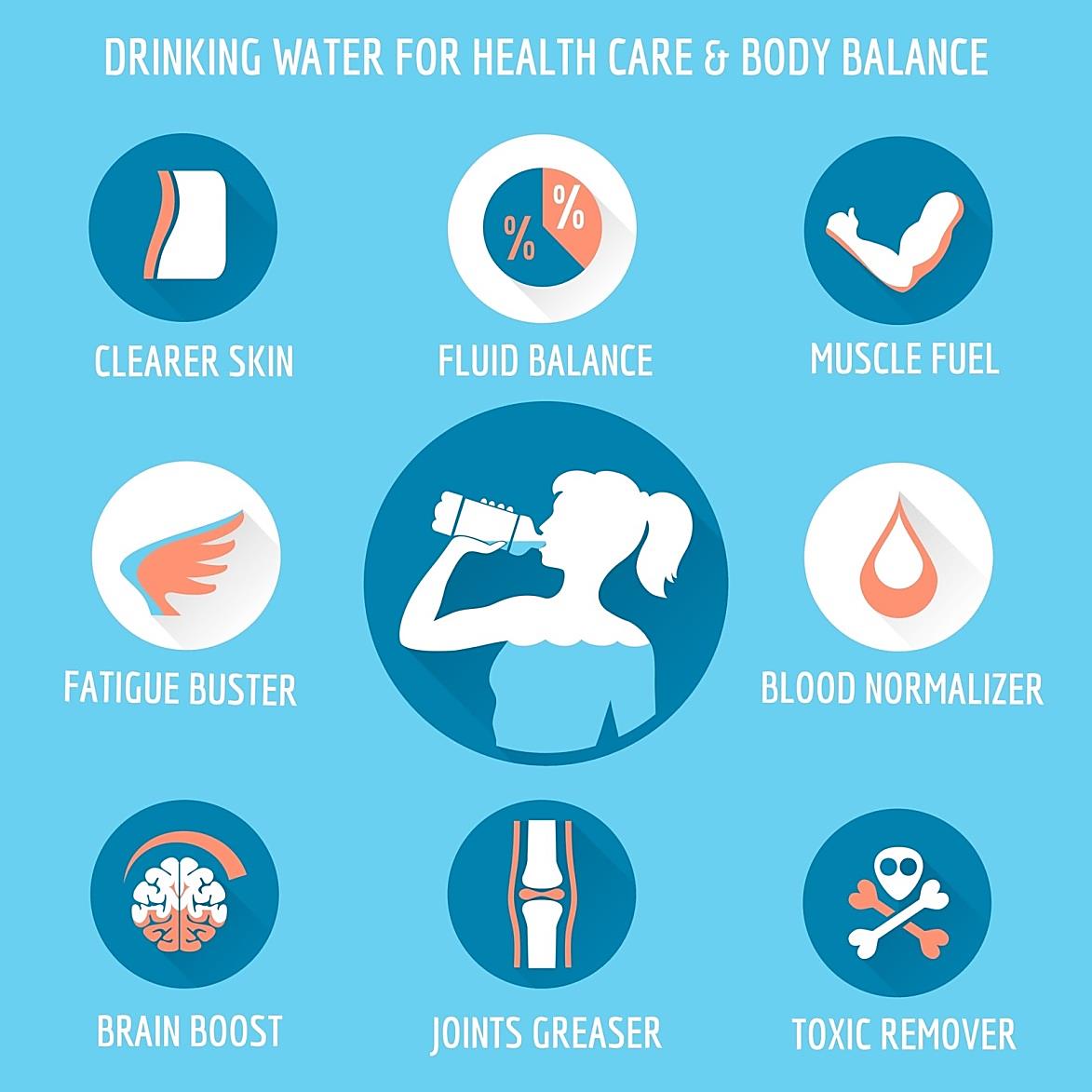
Hydration is not just about quenching thirst—it is about supporting every system that keeps the body functioning efficiently.
The Connection Between Hydration and Physical Performance
Physical activity increases the body’s demand for fluids because water is lost through sweat and respiration during exercise. When these losses are not replaced, performance can gradually decline as the body struggles to regulate temperature and maintain efficient muscle function. Athletes and active individuals often experience reduced endurance, slower recovery, and increased perceived effort when hydration levels fall below optimal ranges.
Proper fluid intake before, during, and after exercise helps support stamina, coordination, strength output, and recovery processes. Hydration also plays an important role in maintaining cardiovascular efficiency during training sessions by supporting blood volume and helping transport nutrients needed for muscular activity. Consistent hydration habits can therefore contribute to more effective workouts and improved overall performance.
How Hydration Influences Mental Focus and Productivity
Water supports not only physical function but also cognitive performance. The brain depends on proper fluid balance to maintain concentration, memory, decision-making abilities, and mental alertness throughout the day. When hydration levels decrease, individuals may experience difficulty focusing, slower reaction times, increased mental fatigue, and reduced productivity during routine activities.
Research and practical observations consistently demonstrate that maintaining adequate fluid intake can help support mood stability and cognitive efficiency. Whether studying, working, exercising, or managing daily responsibilities, hydration contributes to clearer thinking and improved mental performance by supporting the physiological processes that keep the brain functioning effectively.
Simple Strategies for Staying Hydrated
Developing effective hydration habits does not require complicated routines. Carrying a reusable water bottle, drinking fluids consistently throughout the day, and consuming water-rich foods such as fruits and vegetables can significantly contribute to maintaining healthy hydration levels. Establishing regular drinking patterns often proves more effective than waiting until thirst becomes noticeable.
Individual fluid requirements vary depending on factors such as age, activity level, climate, and overall health status. Paying attention to daily fluid intake and adjusting consumption according to personal needs can help prevent dehydration while supporting energy, comfort, and overall well-being in both active and sedentary lifestyles.
Conclusion
Hydration remains one of the simplest yet most powerful contributors to overall health. From supporting physical performance and cognitive function to assisting countless biological processes, water plays an indispensable role in maintaining daily wellness and long-term vitality. Consistent hydration habits can improve how individuals feel, perform, and recover throughout the day.
At EmpoweringNutrients, we believe that lasting wellness begins with understanding the fundamentals that support human health. Through practical education and evidence-based guidance, we help individuals build healthier lifestyles by making informed decisions about nutrition, fitness, hydration, and overall well-being.
Leave a Reply